Early methane detection offers a powerful opportunity to improve safety, protect production, and stay ahead of regulatory requirements. The longer a leak goes unnoticed, the greater the impact. Selecting the right monitoring equipment—and knowing how it performs in your real-world operating conditions—can make the difference between a fast response and costly consequences.
That is why our Emissions Services team recently staged a two-day methane detection study at our Denver facility. Using controlled methane releases, we tested a wide range of commercially available monitoring technologies to see how they perform in realistic leak scenarios. The results help operators deploy the right tools in the right way for faster, more accurate leak detection and reporting.
Why Real-World Testing Matters
At Montrose, we believe that real-world conditions provide essential context for maximizing the effectiveness of methane detection technologies.
Lab validations are valuable, but field conditions tell the full story. Wind and temperature swings, as well as background methane levels, could impact sensor performance. Operators need confidence that their monitoring systems will deliver reliable data when it matters most.
Our goal at Montrose is to complement existing certifications with in-field performance evaluations that give operators and technology developers the insights they need to:
- Deploy sensors with confidence under site-specific conditions.
- Maximize detection accuracy and minimize false positives.
- Meet regulatory and ESG targets without over-investing in unproven solutions.
These evaluations are not intended to provide ranking of the sensors, but to identify the right technology for the right operating environment enabling our customers to use the most reliable, cost-effective monitoring solution possible.
A Technology-Agnostic Evaluation
The study evaluated multiple detection approaches side by side, including:
-
Point Sensors
-
Sensor Networks
-
Open-Path Systems
-
Optical Gas Imaging (OGI) Cameras
-
Drone-Based Measurement Technologies
- Hi-Flow Systems
-
TDLAS Sampling Systems
We are identifying where each solution excels so operators can integrate them strategically.
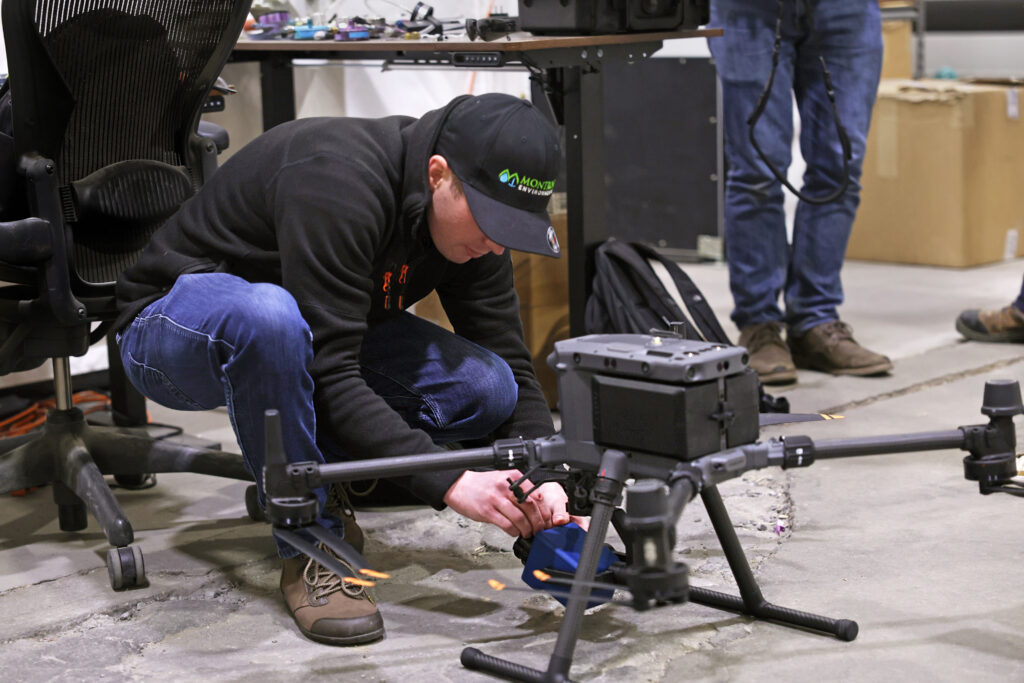
Controlled Releases, Real Insights
We released methane at controlled rates ranging from 0.019 to 10 kg/hr to test each technology’s detection limits, responsiveness, and accuracy. These scenarios mirrored real-world leak events, from small, intermittent releases to larger continuous emissions.
Our primary objectives were to:
- Evaluate performance: Understand the conditions under which each technology delivers optimal results.
- Develop best practices: Refine operational procedures so multiple systems work in parallel through the Sensible EDP dashboard.
- Determine detection thresholds: Quantify each sensor’s sensitivity and reliability.
What We Learned
Early takeaways suggest what many operators suspect: smaller leaks can be more challenging to detect consistently, different technologies show strengths in different conditions, and no single tool works best in every scenario.
Key Takeaways
- Faster detection = less risk
- Layered tech = better ROI
- Single platform = clarity and confidence
The Sensible EDP Advantage
One of the most important insights from this testing was that operators gain the most confidence when multiple detection systems work together. Each technology has strengths in different conditions, but the real value comes from integrating them into a single, actionable view.
That is exactly what the Sensible Environmental Data Platform (EDP) provides. As a sensor-agnostic dashboard, it brings together real-time data from multiple detection systems and gives operators the clarity they need to act quickly and effectively.
With Sensible EDP, operators can:
- See all emissions data in one view across sensor types, vendors, and sites.
- Get instant alerts when anomalies are detected.
- Respond faster to potential leaks, reducing downtime and compliance risk.
By combining inputs from multiple sensor technologies, Sensible EDP delivers a more accurate and actionable picture of methane emissions. This helps operators prioritize repairs, improve monitoring ROI and build confidence in their compliance and ESG strategies.
Moving from Pilot to Practice
This study is part of an ongoing series of sensor evaluations across new sites and technology types. Each round builds on the last and provides deeper insight into how to:
- Tailor monitoring strategies to specific operational environments.
- Increase detection efficiency while controlling costs.
- Stay ahead of evolving regulatory requirements.
Ready to put your methane monitoring to the test? Contact us to schedule a Methane Monitoring Readiness Review or request a live Sensible EDP demo to see how we can help you strengthen detection, compliance, and ESG performance.
About the Authors



Carter Morrison
Carter brings over a decade of experience in the oil and gas industry. He holds credentials as a Steamfitter/Pipefitter with deep expertise in Environmental Management. He leads efforts to provide innovative emission reduction and methane emission management solutions, helping clients worldwide exceed their environmental and sustainability goals.
Julie Oxtoby
With over 20 years of experience in the energy sector, Julie is a respected professional focused on environmental compliance, emissions management, and ESG reporting. A Professional Biologist and Sommelier, she brings a unique blend of scientific expertise and innovative thinking to methane mitigation and sustainability challenges.
Antonios Tasoglou, PhD, PMP
Dr. Antonios Tasoglou is the Emerging Technology Manager for Montrose Air Quality Services. Dr. Tasoglou has 14 years of experience in air quality testing, using stationary and mobile platforms. His technical background is focused on the measurements of air toxics and airborne particulate matter using low-cost sensor, gas analyzers and real time mass spectrometers.
Need help with an emissions monitoring project?
Ready to see the platform or have a question for our experts? Use the form below.